Jump to HeaderJump to Main ContentJump to Footer
Michigan State University
Sustainability

Sustainability

  • About
    • Staff and Partners
    • Progress
    • Greenhouse Gas Reporting
    • Pollinator Friendly Campus
    • Stars
    Pack-up

    Sustainable Living

    How to Recycle on Campus
  • |
  • Academics
  • |
  • Campus
    • Energy
    • Sustainable Food
    • Sustainable Living: Saving Energy
    • Transportation
    • Gardens and Natural Areas
    • MSU Gardens
    • Red Cedar River
    • Water
    • How to Recycle on Campus
    • Quick Tips to Reduce Waste
    • Recycling and Reuse
  • |
  • Donate
  • |
  • Events
  • |
  • Get involved
    • Faculty and Staff
    • Students
    • Campus Sustainability Student Projects Fund
    • Eco Rep
    • Job Resources
    • Leadership Council
    • Student Groups
    • Take the MSU Sustainability Pledge
  • |
  • Resources
    • Green Your Tailgate
    • Move In/Out Day
    • Plan a Sustainable Event
Sustainability
  • About
  • Academics
  • Campus
  • Donate
  • Events
  • Get involved
  • Resources

< About

  • Staff and Partners
  • Progress
  • Greenhouse Gas Reporting
  • Pollinator Friendly Campus
  • Stars
Pack-up

Sustainable Living

How to Recycle on Campus

< Academics

< Campus

  • Energy
  • Sustainable Food
  • Sustainable Living: Saving Energy
  • Transportation
  • Gardens and Natural Areas
  • MSU Gardens
  • Red Cedar River
  • Water
  • How to Recycle on Campus
  • Quick Tips to Reduce Waste
  • Recycling and Reuse

< Donate

< Events

< Get involved

  • Faculty and Staff
  • Students
  • Campus Sustainability Student Projects Fund
  • Eco Rep
  • Job Resources
  • Leadership Council
  • Student Groups
  • Take the MSU Sustainability Pledge

< Resources

  • Green Your Tailgate
  • Move In/Out Day
  • Plan a Sustainable Event
Sustainability > Campus > Gardens and Natural Areas >

MSU Gardens

MSU Gardens

Resources

  • Electric Vehicle Charging Stations
  • Energy on Campus
  • LiveOn: Sustainability Information
  • MSU Bikes Service Center
  • MSU Recycling Center
  • MSU Student Organic Farm
  • MSU Surplus Store
  • Plan a Sustainable Event
  • Water Bottle Filling Stations
  • W.J. Beal Botanical Garden

Get Involved

  • Campus Sustainability Student Projects Fund
  • Eco Reps
  • Job Resources
  • Leadership Council
  • Student Groups

Campus

  • How to Recycle on Campus
  • MSU Gardens
  • Red Cedar River
  • Sustainable Living: Saving Energy
  • Rankings and Assessments
  • Staff & Partners
  • Sustainable Food
  • Transportation

Address

Michigan State University 426 Auditorium Road, Room 412 East Lansing, MI 48824

Releases and Statements

Follow Us

  • Visit our Instagram page
  • Visit our Facebook page
  • Visit our LinkedIn page
  • Visit our YouTube page

If you're having accessibility issues, please let us know.

Know MoreTransparency Reporting: Budget & Salary/Compensation
  • Contact Information|
  • Site Map|
  • Privacy Statement|
  • Site Accessibility|
  • Call MSU: (517) 355-1855|
  • Visit: msu.edu|
  • Notice of Nondiscrimination|

SPARTANS WILL|© Michigan State University|

MSU is home to over a dozen gardens that are open to the public, free of charge, all year round.  The gardens that blanket Michigan State University's 5,200 acre campus are a special part of the Spartan experience. They are not just beautiful spaces to relax for the public and our campus community, but are a key component of a sustainable university, enhancing biodiversity and providing habitat for pollinators. Serving as a living learning laboratory, the gardens also provide ample opportunities to engage students and the public in experiential learning, while conducting cutting edge research to support horticultural and agricultural industries.

Gardens, whether on campus or in your backyard, help support many U.N. Sustainable Development Goals. For example, the flora and fauna within gardens provide valuable ecosystem services that support life on land and local gardens can address food insecurities in our communities. On a larger scale, the horticultural and agricultural industries provide millions of jobs in the U.S. alone.

grid_gardens

Virtual Tour of the Gardens

Explore the ways that gardens contribute to MSU research, education and outreach.

Explore the Gardens
support

Support the Gardens

In August 2021, we celebrated MSU Garden Month. Find out how you can get involved or support the gardens of MSU.
Learn More

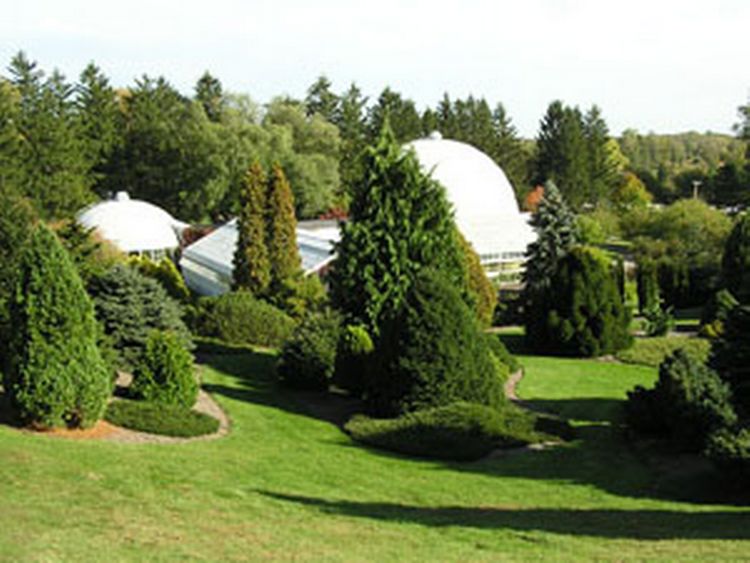
Rolling green hills with white roof of conservatory peeking through greenery
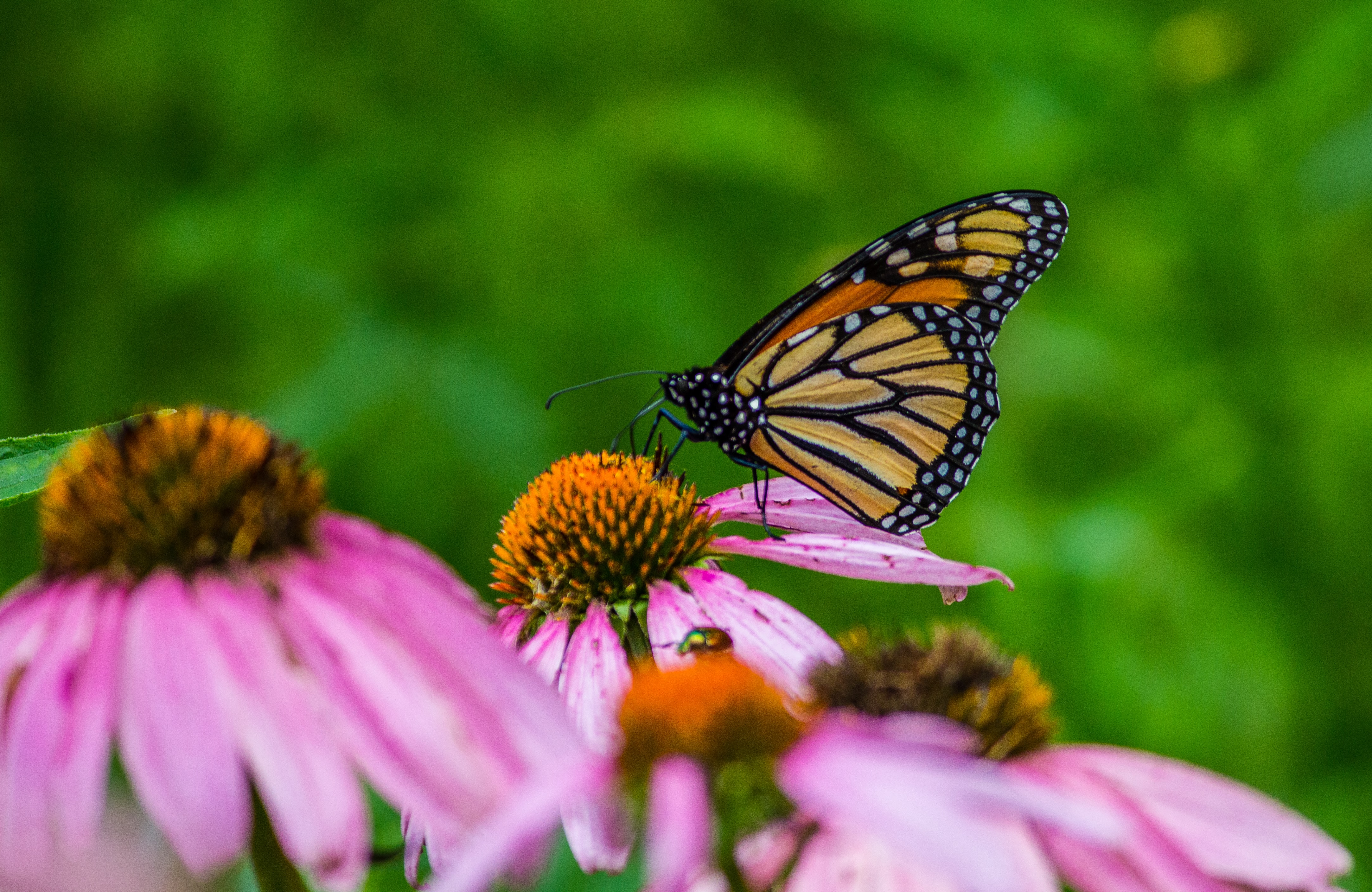
Monarch butterfly on pink flower
W.J. Beal Botanical Garden
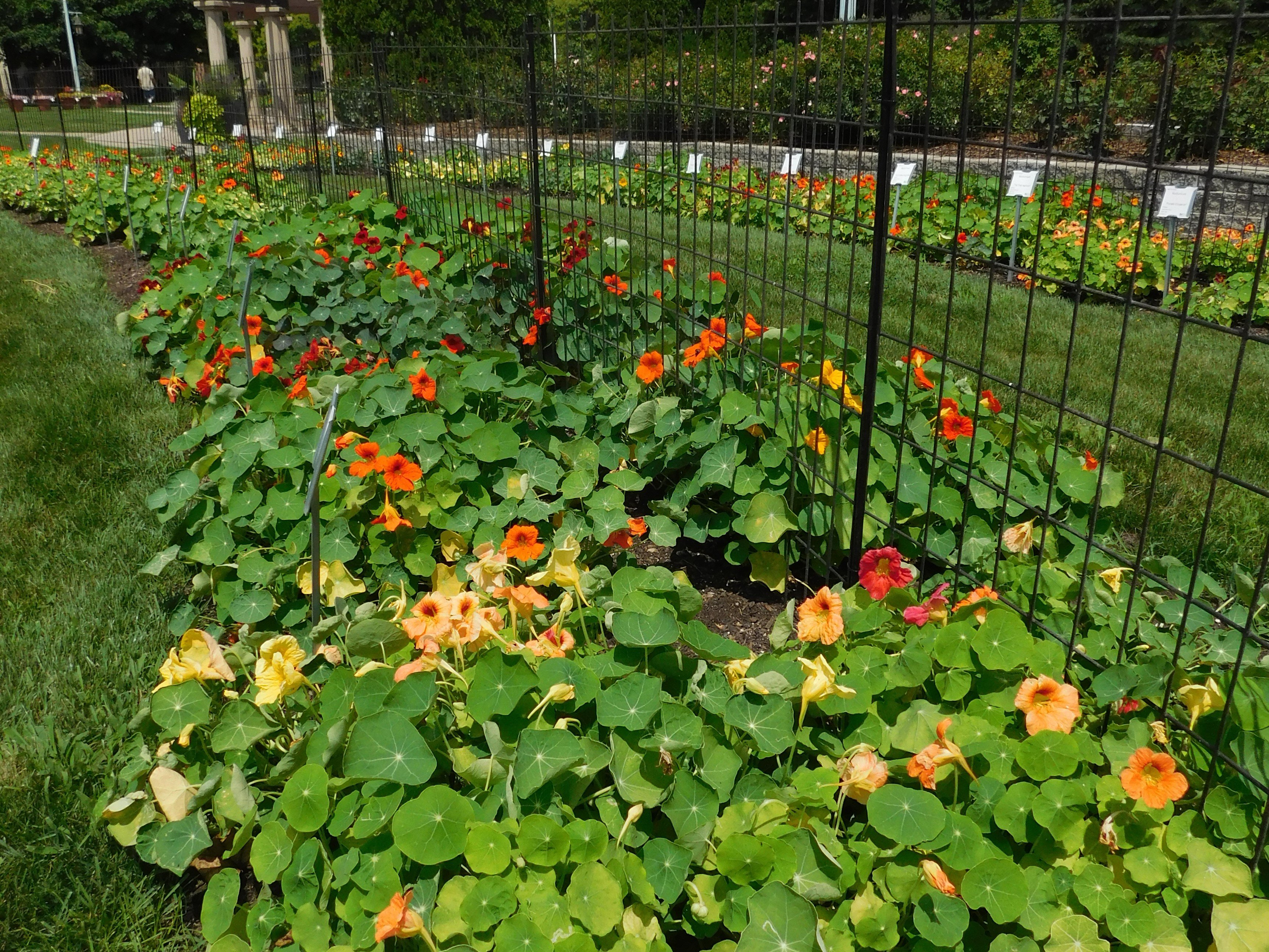
A fence with flowers running along it
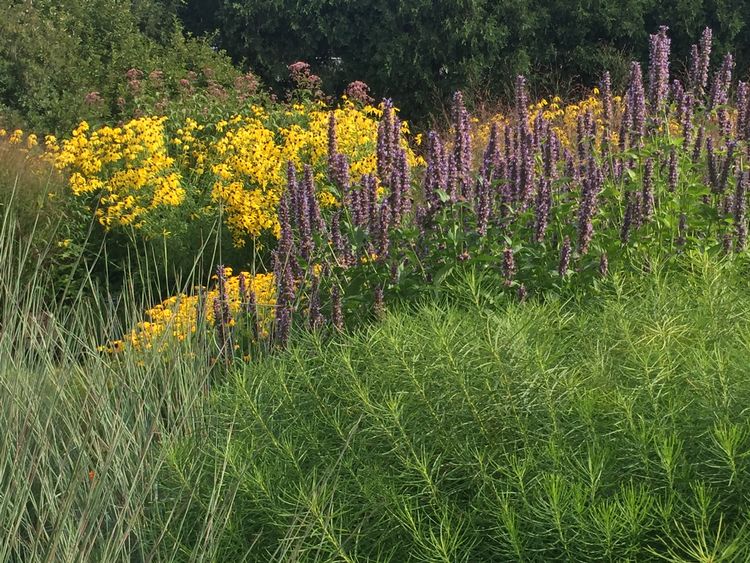
Dense purple and yellow flowers
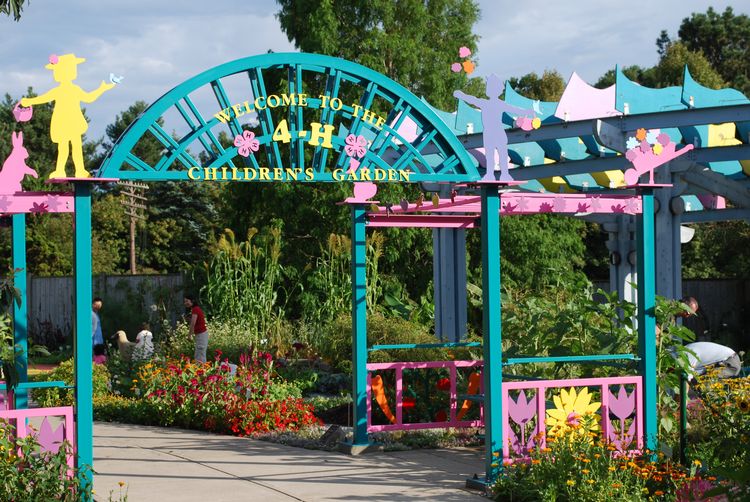
Colorful entry arch to gardens
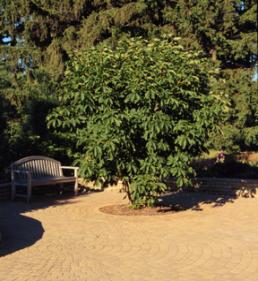
Brick patio area with bench and greenery
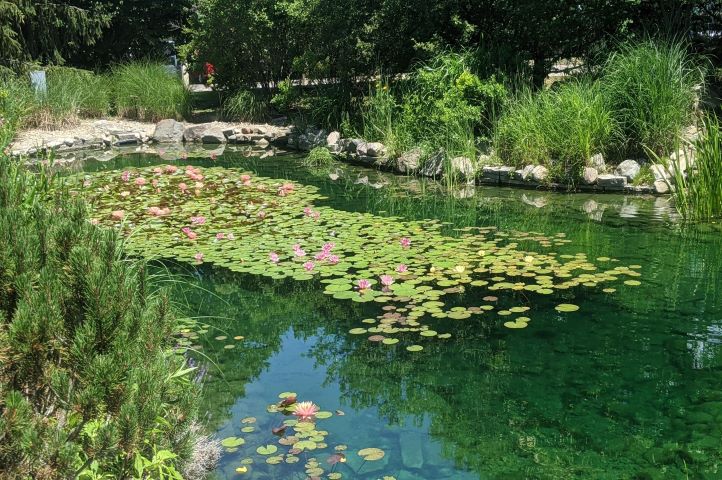
small pond covered in lily pads
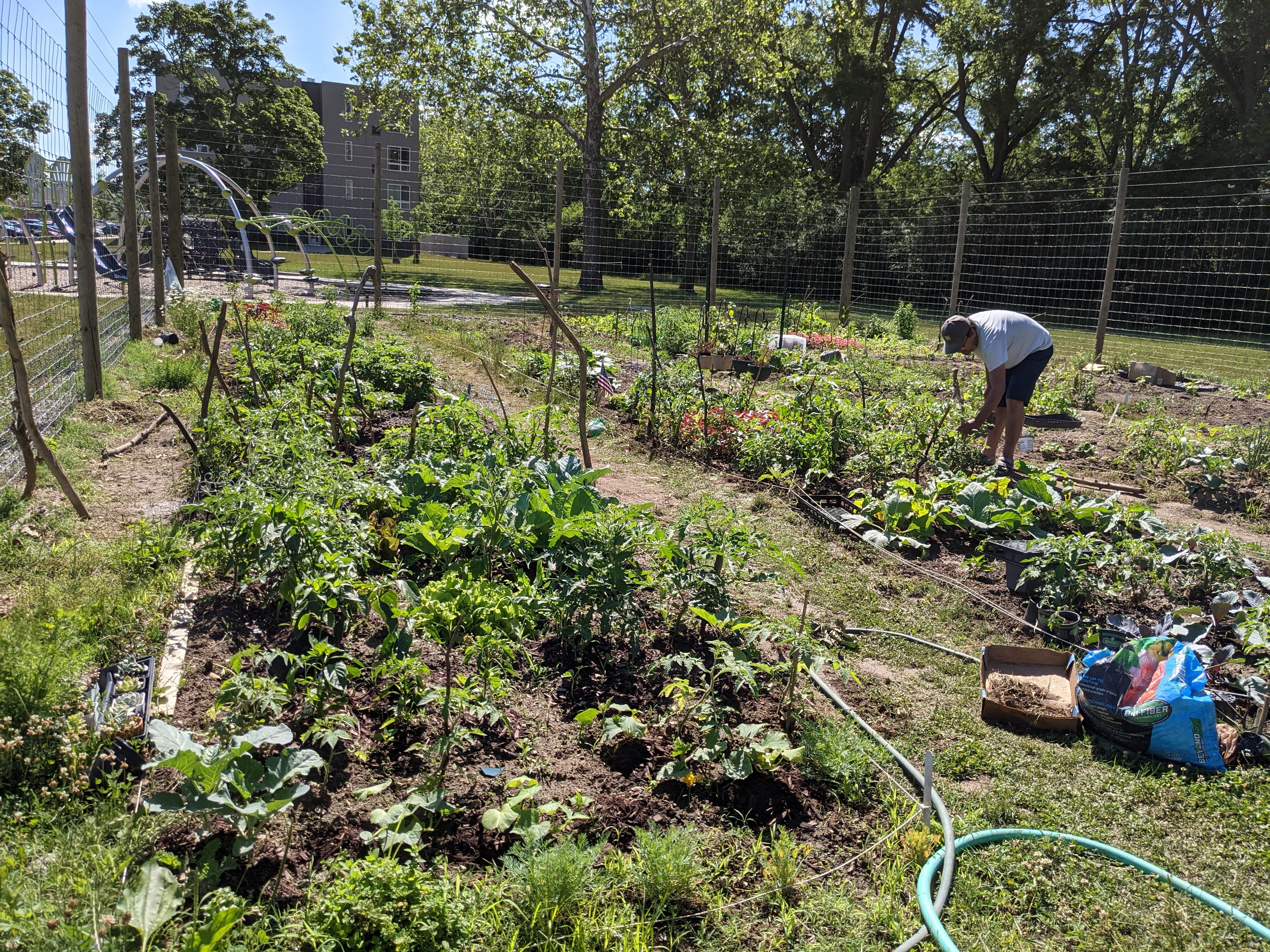
Person tending vegetable garden on a sunny day
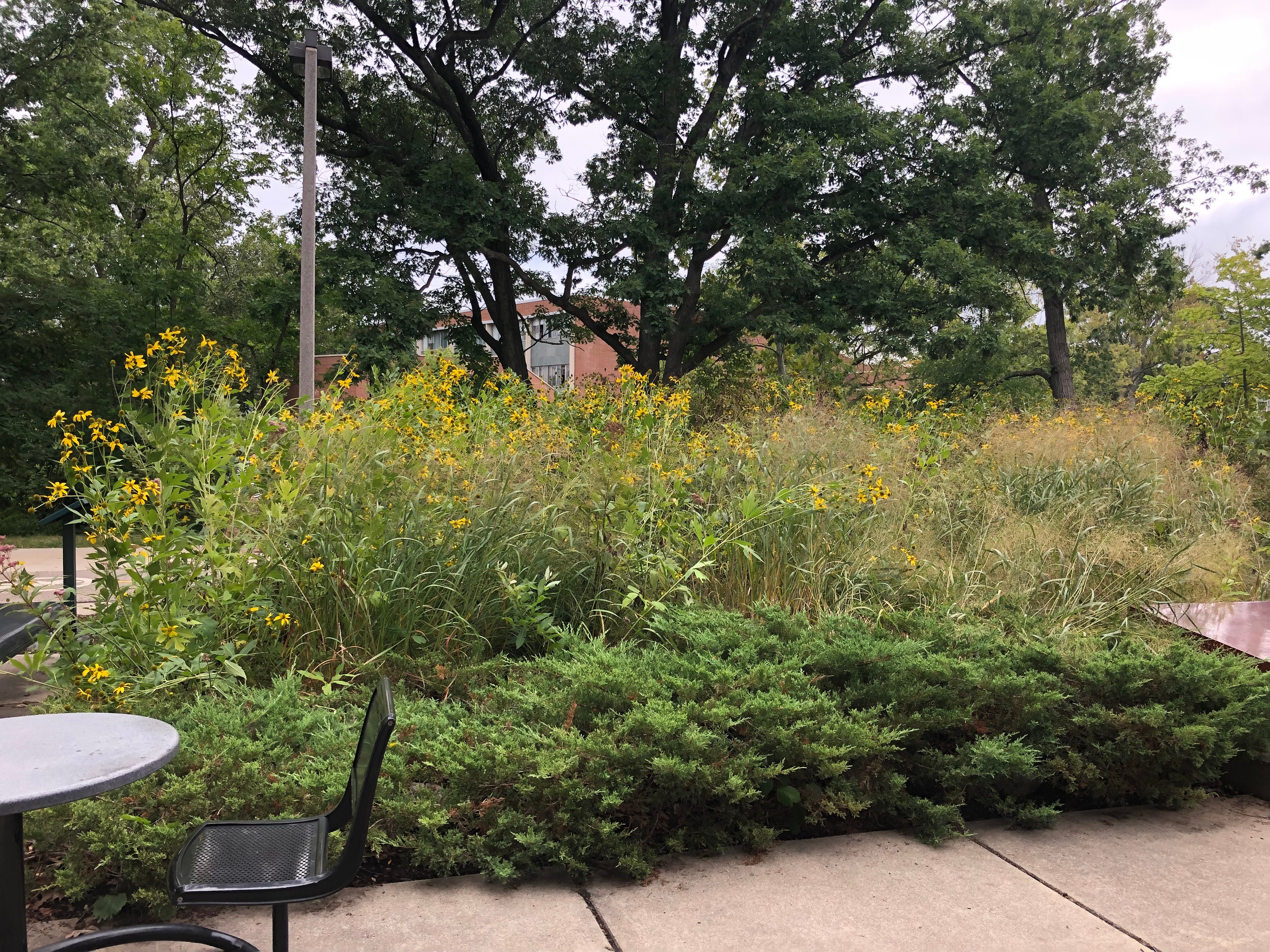
Greenery next to sidewalk and sitting area
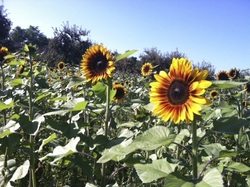
a field of sunflowers
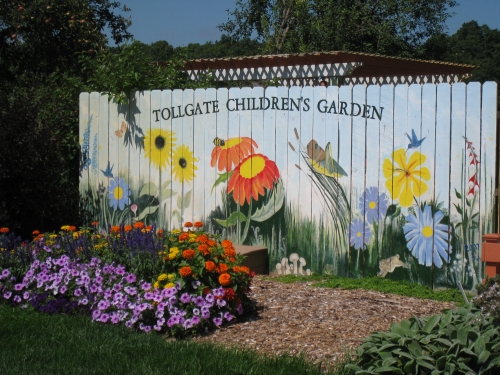
A fence painted with flowers and bugs with flowers blooming in front of it
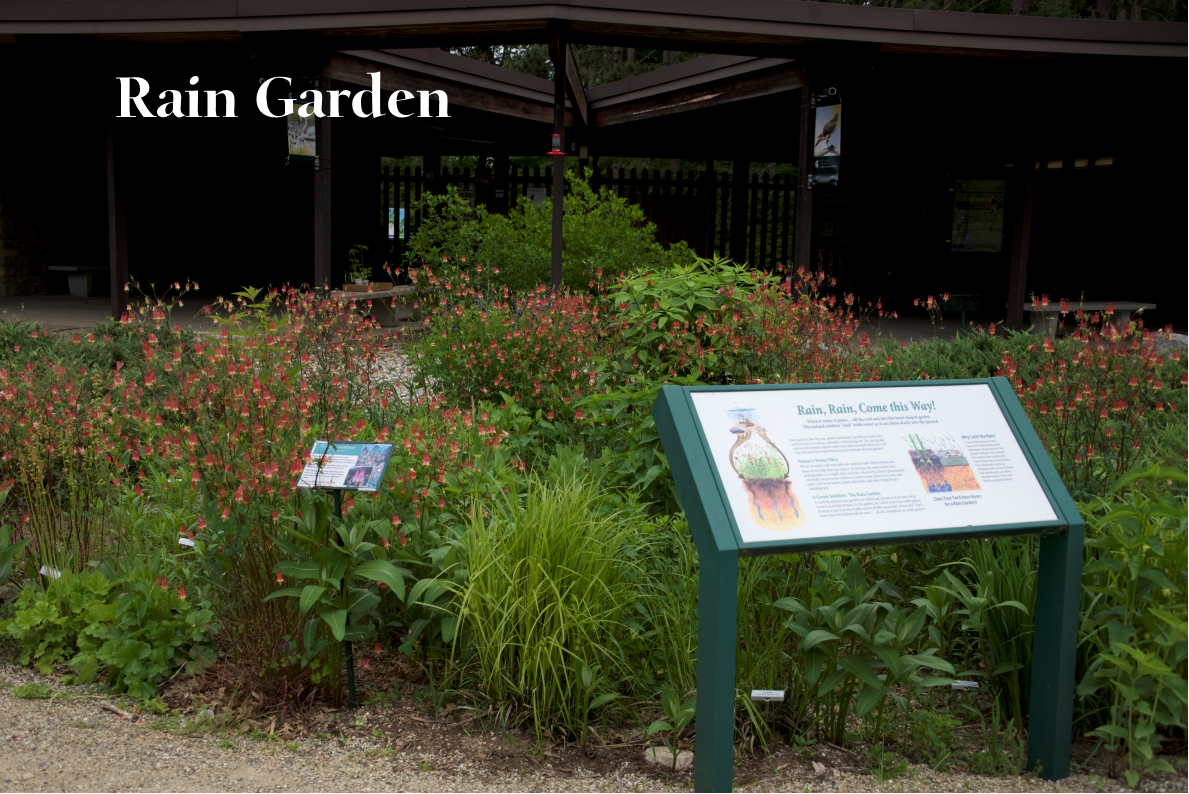
Green area with informational sign about rain
Rolling green hills with white roof of conservatory peeking through greenery
Monarch butterfly on pink flower

Hidden Lake Gardens 
(Tipton, MI)

Hidden Lake Gardens contains a conservatory, six miles of paved roads, 10 miles of hiking trails and 755 acres of plants, including three prominent collections: the Benedict Hosta Hillside, which serves as the Michigan Hosta Society’s reference garden; the McCready Bonsai Courtyard; and the world-renowned Harper Collection of Dwarf and Rare Conifers.

MSU Pollinator Gardens

There are many pollinator-friendly gardens around campus to visit freely, and MSU is working to create a pollinator corridor along the Red Cedar River. In 2020, a pollinator garden was planted along the river near Shaw Hall. The student club, Sustainable Spartans, worked with IPF and the Office of Sustainability to establish another pollinator garden nearby in fall 2021. This isn’t the first student project to support pollinators; find another student-led pollinator garden on the northwest corner of Wells Hall, planted by RISE students in 2017. In addition, Fisheries and Wildlife Club is helping restore native habitat that is pollinator friendly on campus in collaboration with IPF and the Plant Biology Department. MSU hosts volunteer days at campus pollinators gardens every year, including Spartan Days of Service.

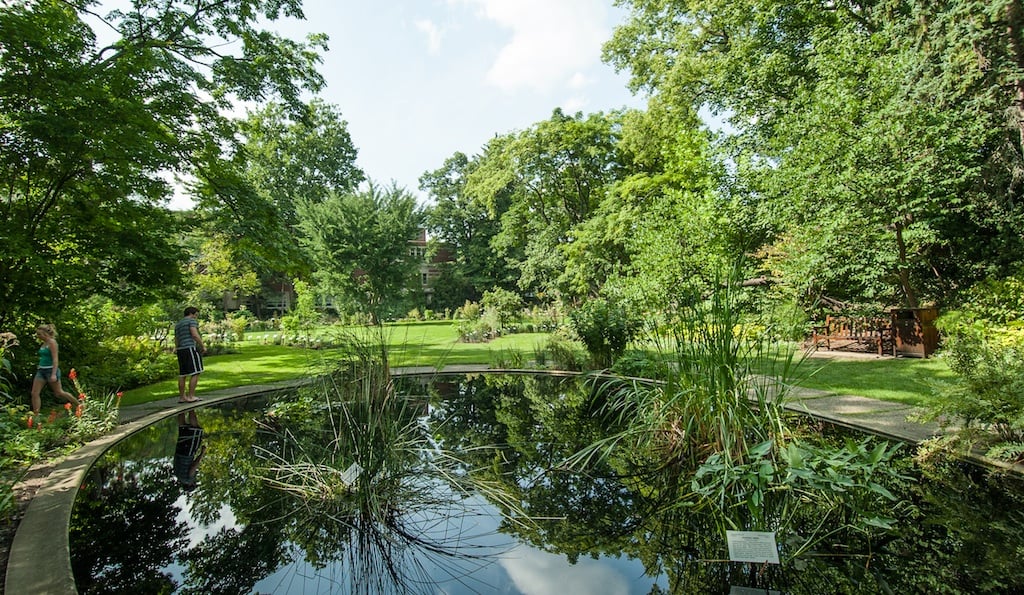
W.J. Beal Botanical Garden

The W.J. Beal Botanical Garden, established in 1873 by Professor William James Beal, is the oldest continuously operated university botanical garden of its kind in the United States. With more than 5,000 different kinds of plants, this garden serves as a living laboratory for education, research, and outreach. The garden is open at all times throughout the year without an admission charge.

Amien and Florence 
Center Trial Gardens

The Trial Garden, part of the MSU Horticulture Gardens, grows and evaluates hundreds of new varieties each year including annual, perennials, and vegetables. The garden is open without an admission charge.

Judith DeLapa 
Perennial Garden

The Judith Delapa Perennial Garden features the colors, textures and forms of flowering and nonflowering herbaceous perennials, bulbs and ornamental grasses. Ten island beds totaling 6,500 square feet informally display a multitude of diverse perennials. This garden is part of the MSU Horticulture Gardens and the garden is open without an admission charge.

MSU 4-H Children's Garden

Expose your child to the enchanting world of the 4-H Children's Garden, part of the MSU Horticulture Gardens. A special place created just for children and the young at heart, the garden features over 56 theme areas. The garden is a perfect place to learn about horticulture, as it allows hands-on exploration along with several interactive activities. Admission is free.

Clarence E. Lewis 
Landscape Arboretum

The Clarence E. Lewis Landscape Arboretum, part of the MSU Horticulture Gardens, is an instructional arboretum for students interested in landscape development. The site has its beginnings as the old campus nursery and as a result many remaining specimen trees lend a mature appearance to much of the arboretum. The arboretum continues to grow, providing learning opportunities for students, industry professionals, gardeners, and community members. Within the arboretum are over 15 featured garden areas, including the Kathleen and Milton Muelder Japanese Garden and the Yvonne V. Wilson Native Plant Garden. The arboretum is open all year, dawn to dusk. Admission is free.

Radiology Healing Gardens

Based on the vision of Dr. James Potchen, the Radiology Healing Gardens were established in 2000 to help meet the wellness needs of our community. The Radiology facility is surrounded by lovely gardens, ponds and waterfalls. The serenity of the landscape is the epitome of a holistic approach to patient healing and provides a calming space for visitors, students and employees. This hidden gem is worth a special trip. Admission is free.

1855 Place 
Community Garden

The 1855 Place Community Garden was established by students for residents of the 1855 Place Apartments. The garden cultivates individual growth and neighborhood unity while also offering youth gardening education. The community garden plays an important role in providing spaces for residents to grow their own food, increasing their access to healthy foods. It also promotes a sense of community belonging and an opportunity for residents to be physically active.

MSU Rain Gardens

MSU is also home to rain gardens, which help the university manage stormwater. Rain gardens have shallow surface depressions and are planted with native vegetation to capture and treat stormwater runoff from rooftops, streets, and parking lots. Rain gardens reduce the volume and rate of runoff while also provide pollutant removal and habitat benefits. See rain gardens freely in action by Erickson Hall, at Minskoff Pavilion, and at the Surplus Store and Recycling Center.

MSU Student Organic Farm

The MSU Student Organic Farm is a 15-acre, certified organic year-round teaching and production farm. Their markets include 42-week CSA, online shop, and sales to MSU dining halls and other wholesale outlets. They use passive solar greenhouses (hoophouses) to produce and distribute fresh produce all year long. The farm is located south of MSU's main campus.

Tollgate Farm and Education Center (Novi, MI)

MSU Tollgate Farm provides non-formal learning for children, families, and adults, offering the unique opportunity to experience agriculture hands-on in an urban environment. The farm has nearly twenty specifically planned and maintained garden sites ranging from the functional Nursery area to the delightful Children’s Garden. MSU Tollgate Farm gardens are free and open to the public for self guided tours Monday through Saturday from 9 a.m. to dark. The site is closed on Sundays and Holidays.

W.K. Kellogg Bird Sanctuary (Augusta, MI)

The Native Gardens at the Kellogg Bird Sanctuary are a set of beautiful botanical gardens which feature unique and attractive native plants from around Michigan. With educational signs and over 75 species of native plants, the gardens demonstrate the many benefits and landscaping possibilities offered by Michigan plants.

Hidden Lake Gardens 
(Tipton, MI)

Hidden Lake Gardens contains a conservatory, six miles of paved roads, 10 miles of hiking trails and 755 acres of plants, including three prominent collections: the Benedict Hosta Hillside, which serves as the Michigan Hosta Society’s reference garden; the McCready Bonsai Courtyard; and the world-renowned Harper Collection of Dwarf and Rare Conifers.

MSU Pollinator Gardens

There are many pollinator-friendly gardens around campus to visit freely, and MSU is working to create a pollinator corridor along the Red Cedar River. In 2020, a pollinator garden was planted along the river near Shaw Hall. The student club, Sustainable Spartans, worked with IPF and the Office of Sustainability to establish another pollinator garden nearby in fall 2021. This isn’t the first student project to support pollinators; find another student-led pollinator garden on the northwest corner of Wells Hall, planted by RISE students in 2017. In addition, Fisheries and Wildlife Club is helping restore native habitat that is pollinator friendly on campus in collaboration with IPF and the Plant Biology Department. MSU hosts volunteer days at campus pollinators gardens every year, including Spartan Days of Service.

01 / 13

  • Resources
Garden Month 2021
Cultivating Connections with Nature: Explore the Gardens of MSU Virtual Tour
MSU Extension Gardening
Become a Pollinator Champion
Garden for pollinators
Pollinator planting
Smart waterfront plants to enhance your shoreline
MSU Seed Library

Red Cedar River

Pollinator Friendly Campus